


Stories from America250 on WTC Campus
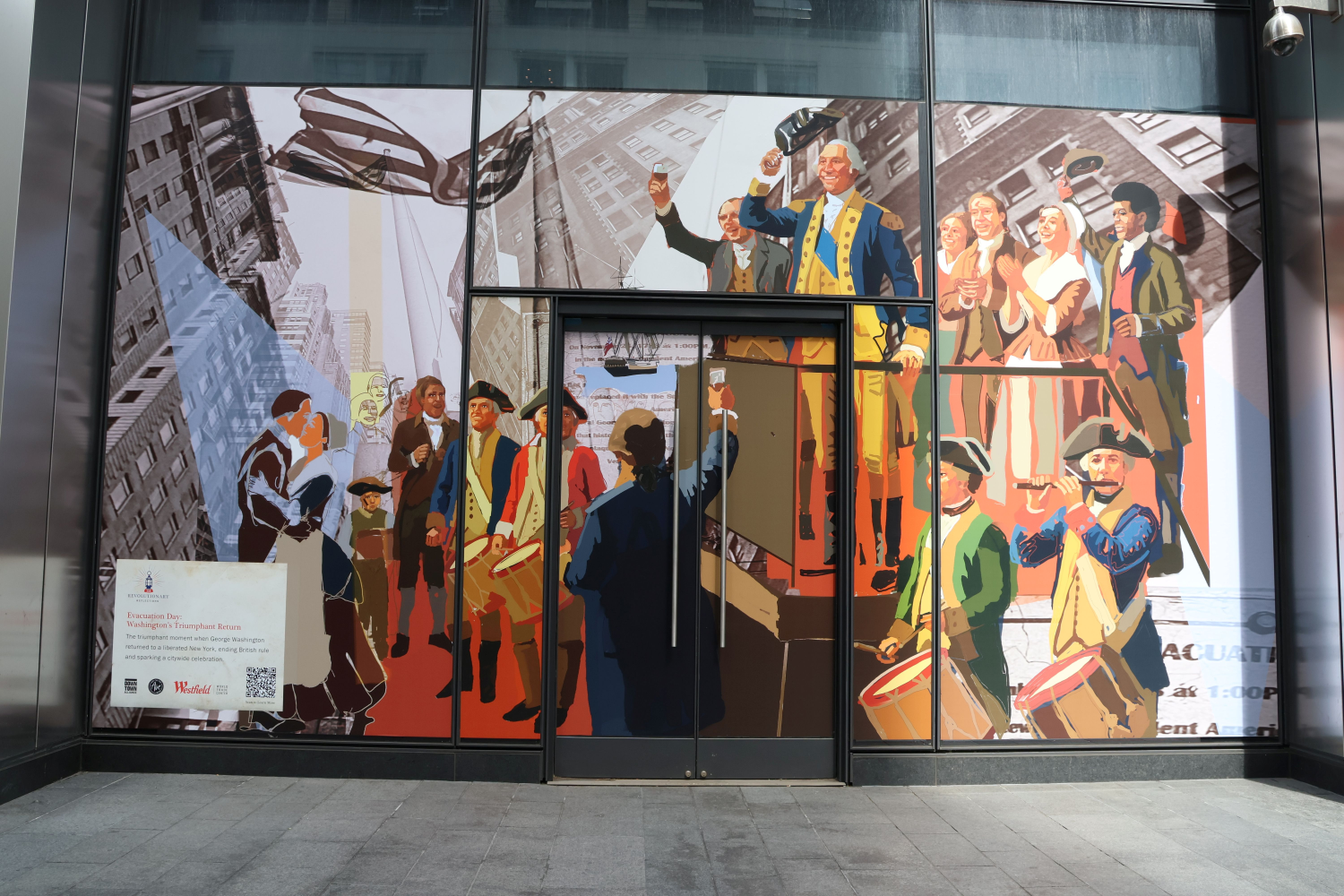
“Revolutionary Reflections” in partnership with Art on the Ave and Downtown Alliance celebrates the 250th anniversary of America’s founding through a collection of artworks around Lower Manhattan. Lower Manhattan was the center of events surrounding the American Revolution, and these pieces depict 12 stories of historical figures and events of the area’s history. Beginning Memorial Day through Labor Day, these artworks can be viewed in seven locations around Lower Manhattan: 120 Wall Street, 33 Maiden Lane, 3 World Trade Center, 180 Broadway, 225 Broadway, 72 Nassau Street and Fulton Center.
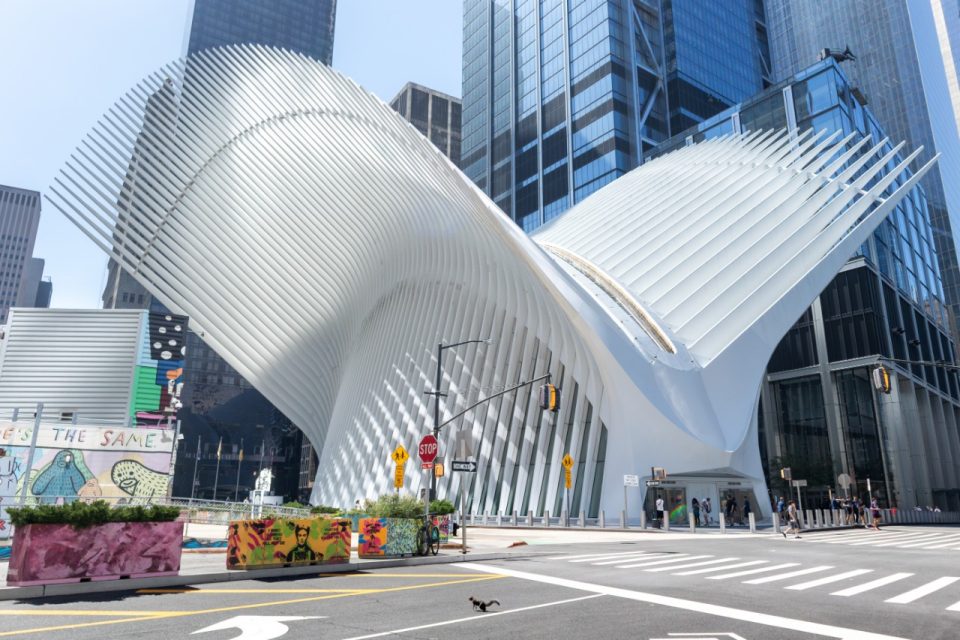
The World Trade Center is proud to display three of the artworks on the WTC campus to connect visitors, commuters, residents, and the Lower Manhattan community with this area’s history. We interviewed Kate Fauvell, one of the artists who worked on the collection of artworks in collaboration with artist Naderson Saint Pierre and learned more about her artistic background.
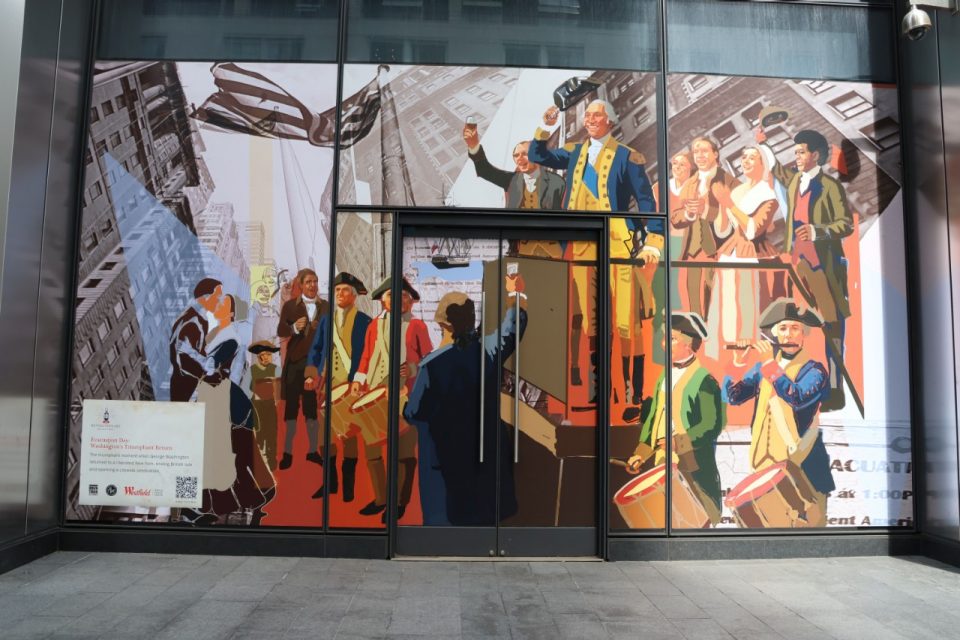
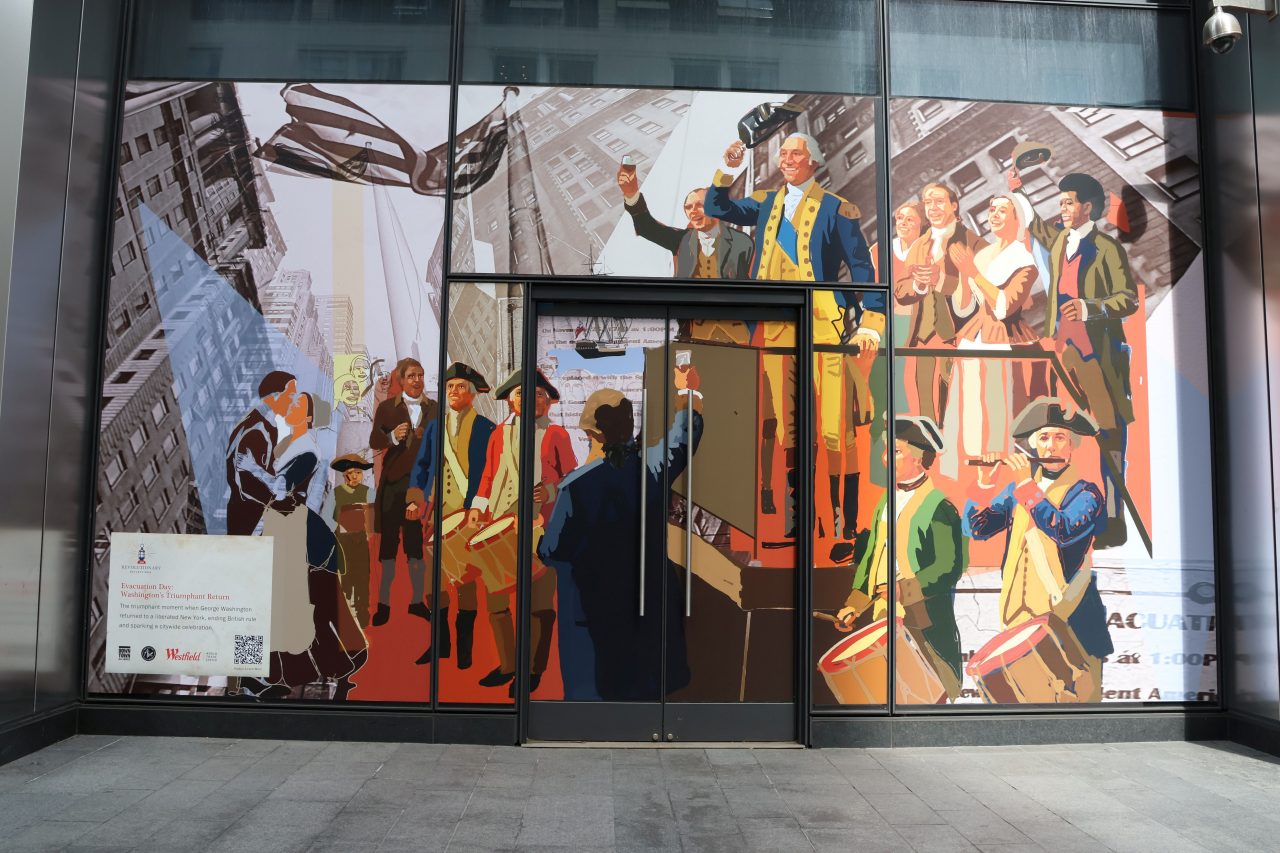
One of the artworks illustrating Evacuation Day is located here on the WTC campus on 3 World Trade Center on the Church Street side. Evacuation Day was on November 25, 1783, when the last British troops and Loyalists left the city and George Washington triumphantly led 800 Continental soldiers through the Manhattan streets. We spoke with Kate in front of this piece depicting the momentous day.
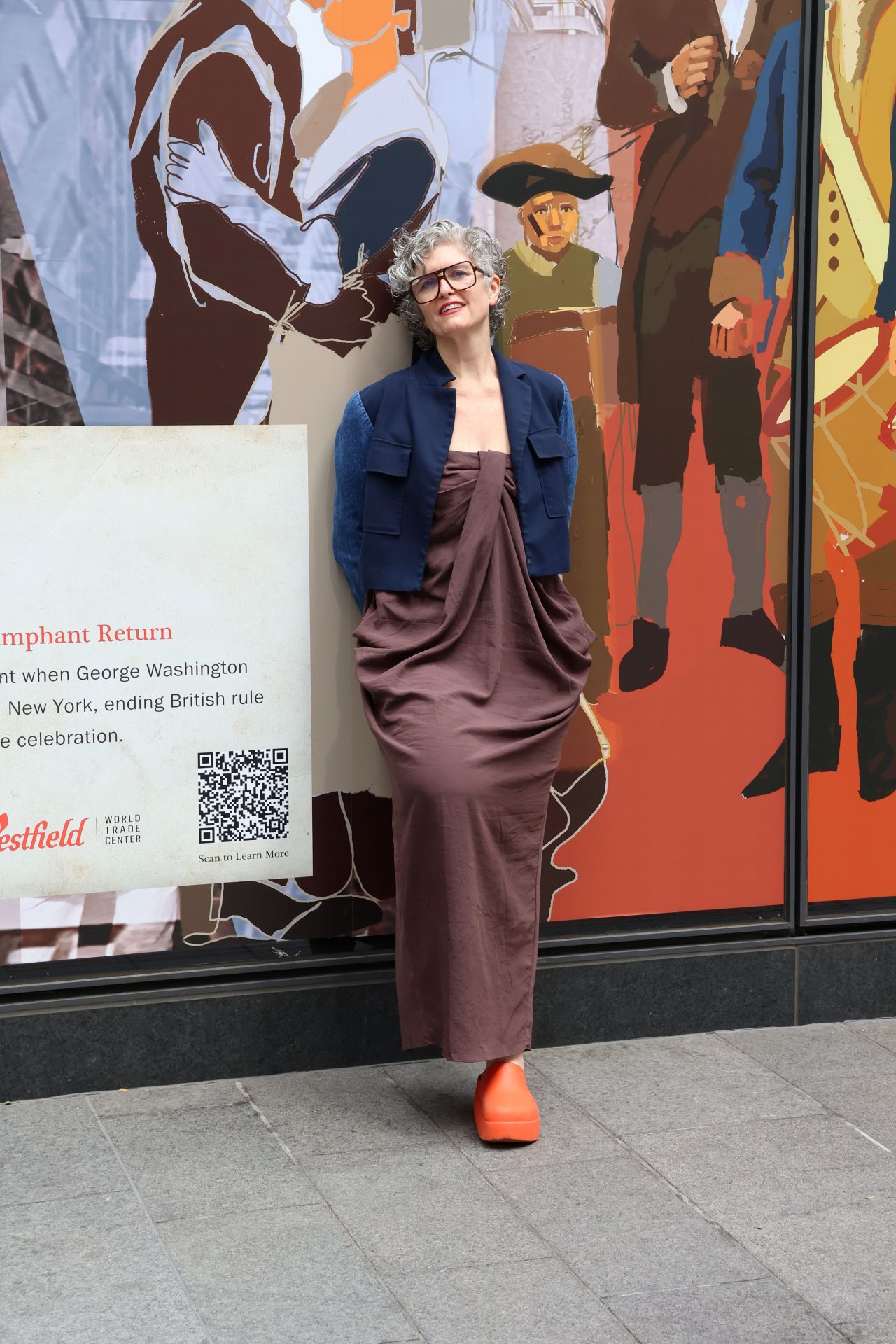
Name: Kate Fauvell
Introduce yourself
Kate: I’m a visual artist born and raised in New York City. I’m an artist in residence with Art on the Ave. I’m here in front of my piece, called Evacuation Day, that I created with Naderson. My part of the work is the photo-based collage.
I have been a full-time artist for the last 15 years. My work is a love letter to the city. I take photos around the city of what we might think of as everyday things, and I build something new. I look for things we might think of as ugly or mundane and transform it. I want people to feel connected, to see themselves in my work, to see their city in my work, to find something that they’re like oh I know where that is. It deals a bit with systemic issues and restructuring of a problematic world. I take photos, print them large in black and white and then cut them up and tear and paint them.
My work wasn’t always about the city. It usually is about how I experience the world and understanding what it means to be human. I come from a working-class family in Queens, so I have a body of work that’s about my grandparents and their home and what sacrifices they made so that I could be the artist that I am today. My work is about understanding what it means to be human.
What did you want viewers to feel or take away when they stand in front of this piece?
Kate: I want them to look at the photographs they see. My work is about photographing New York, so for Evacuation Day, it took place right here on Broadway where there is now a pole to recognize the site. I photographed the contemporary current buildings in the surrounding area. I want people to acknowledge what happened in the space and think about the untold stories that took place during the Revolution. Although my work is looking at historical sites now, what the series of works are about is these lesser told stories of people that were here and did the work during the revolution.
I want people to see themselves in the history of the founding of the country. I had no idea how much had taken place in New York until I was researching these stories. I want to make sure that New Yorkers know that it was women and brown and black folks that are the foundation of why we are here. I hope that New Yorkers can see their city in combination with people that look like them.
Where do you get inspiration to create pieces like this for the local community?
Kate: My work is a love letter to the city. It acknowledges the past but doesn’t really dive into it in the way this body of work does. The idea of public art is bringing art to as many people as possible. I’ve always felt like and thought about my viewer in the creation of my work.
How did this project come about?
Kate: This project is a collaboration between Art on the Avenue, which Naderson and I are artists in residence with, Downtown Alliance, Westfield and the Port Authority of New York & New Jersey. We both have studio spaces through Art on the Avenue - they provide studio and exhibition space to artists for free throughout New York City. They asked us to work together to produce a body of work that acknowledged the 250th anniversary of the founding of the country, so we took these stories and translated them through a collage. I took photographs of the locations currently. For example, the Birch Trials took place at Fraunces Tavern and the Marblehead Sailors took place near South Street Seaport, so I went to those areas and photographed how they look now and used those images to create collages. Naderson implemented the historical figures with more representation than you might normally see.
How was this project different from others you’ve done?
Kate: I have never done anything historical, or had to do historical research for my work, so a big part of it was understanding the things that took place historically. I have also never collaborated in such a big way before, so collaborating with Naderson was new and amazing. We each bring in different perspectives, I’m a New Yorker, I’m white, queer. Naderson is born in Haiti and lives in New York. The combination is extremely powerful, so the collaboration is new and exciting.
For the historical part, I found out all these stories. For example, Cato, who was an enslaved person, but also a spy who helped win many battles, which is the reason why we could be here now. Then about Elizabeth Bergen, who’s a woman that freed imprisoned revolutionaries or the Marblehead sailors who were a group of black and brown and native sailors who won a big battle for George Washington that we were about to lose. If we lost New York, we would have lost the Revolution. All of this took place in Lower Manhattan.
Bringing history into my work is new and it has sparked this interest in wanting to understand and create work that shows what’s happening now, but also tells the viewer what took place prior, right? We’re the city that’s built upon history. We’re standing here at the World Trade Center, and this Evacuation Day piece took place a block from here, but we’re on native land where there’s so much built upon it.
Why did you want to work on this piece?
Kate: This project has helped me think more about what lies beneath the untold stories of our city. I always think about the viewer, and often the city or the public as the viewer, and how to make my art accessible. This project took me to a different place. I would never think about learning about the time of the founding of the country. It has me thinking about how to tell more about the lesser-known stories and untold histories or less acknowledged histories. In thinking about what needs to be photographed and talked about or what locations have historical meaning and why.
Was the collaboration between painting and photography seamless?
Kate: The collaboration with Naderson and myself was awesome. We had never worked together before, but we share our art in the studio space, so we’ve been in the same shared space at different locations for two years. The collaboration works so well because I did these collages and would hand them off to Naderson and we allowed each other to be ourselves. I trusted him to take away, move, or cover up any parts he wanted to, and the feeling was mutual. I have the utmost respect and love his work, so it was completely seamless.
Take a walk through history and explore the Revolutionary Reflections installations across Lower Manhattan and learn more about the exhibition, artwork, and installation locations here.