


WHM: Meet Jolene Yeats
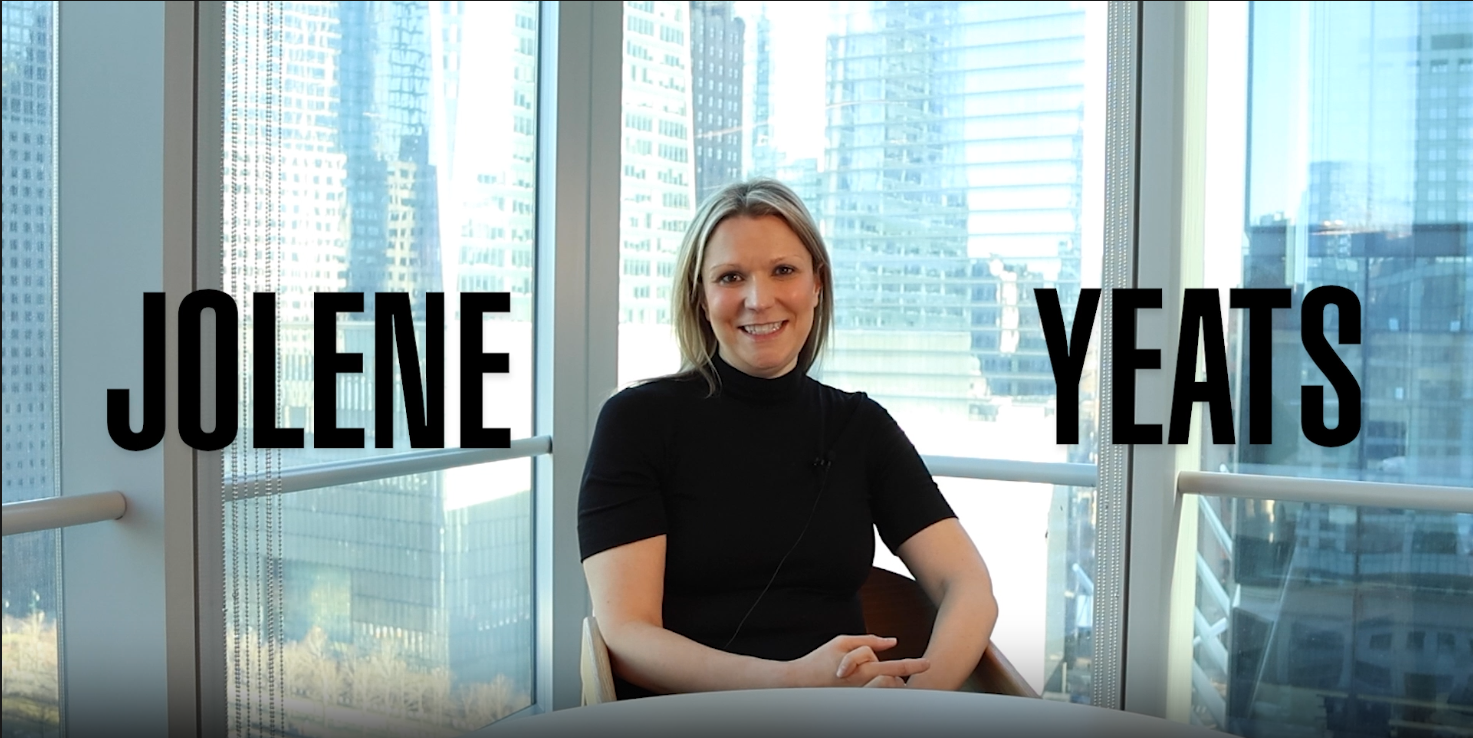
In celebration of Women’s History Month, meet Jolene Yeats, the first woman to hold the title of Director of the World Trade Center (WTC) Department at the Port Authority of New York and New Jersey. We spoke to Jolene about her experience as a woman leader at the World Trade Center.
Name and title: Jolene Yeats, Director of World Trade Center
How long have you worked for the World Trade Center? 12 years
Can you tell us about your career journey? How did you get to where you are today?
Before working here, I was a consultant and one of my clients was Port Authority. One of the projects I worked on was at World Trade Center construction, so I’ve been a part of the WTC project before it was completed and finished.
I was always interested in the built environment and how it impacted people, so I started going into engineering when I was in school, but I realized through the course of my engineering degree that I also really liked the people side of how the built environment is, so I got introduced to urban planning. I ended up doing my graduate degree in urban planning, so I am both an urban planner and engineer.
I started working as a consultant in the planning and engineering field, doing projects around the region and country for anything that impacts how cities are built, how parts of cities are built, and how those impact the people that live around them. That’s how I started working on the World Trade Center project through the Port Authority. I was really fascinated by this new connection point to Lower Manhattan and rebuilding it and reconnecting Lower Manhattan in the region. I ended up coming over to the Port Authority and directly working for this great department that was rebuilding and now Director of the World Trade Center. I ended up getting involved more on the operational side of things, which is not something I thought I’d be doing in my career. I thought I’d be developing and working on the building side of things.
One of my favorite things that I do is being able to see how the things that we do day-to-day at the World Trade Center, and the built environment here impact the people that use the space. Then, we can make little tweaks to it and see how those improve what we're doing and and impact people's lives in a real way.
How has the campus changed over your career here?
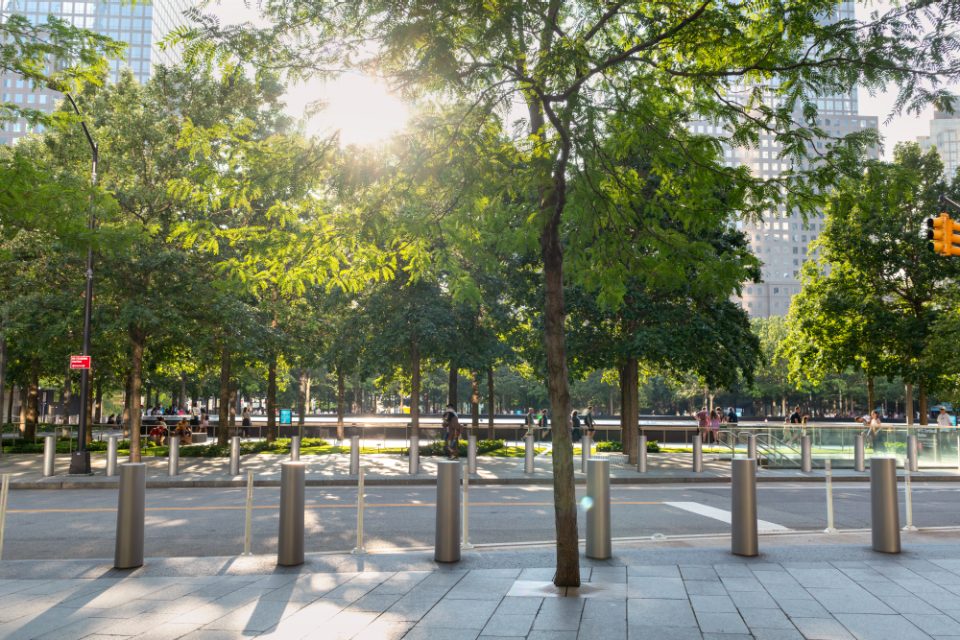
The campus has changed tremendously. When I first started, it was still a big construction site. I got to do a lot of amazing things that not a lot of people get to say they did, like stand in the middle of the 9/11 Memorial & Museum reflecting pool before it was built and look up into the construction site. It gave me an incredible understanding of how it was actually put together and built.
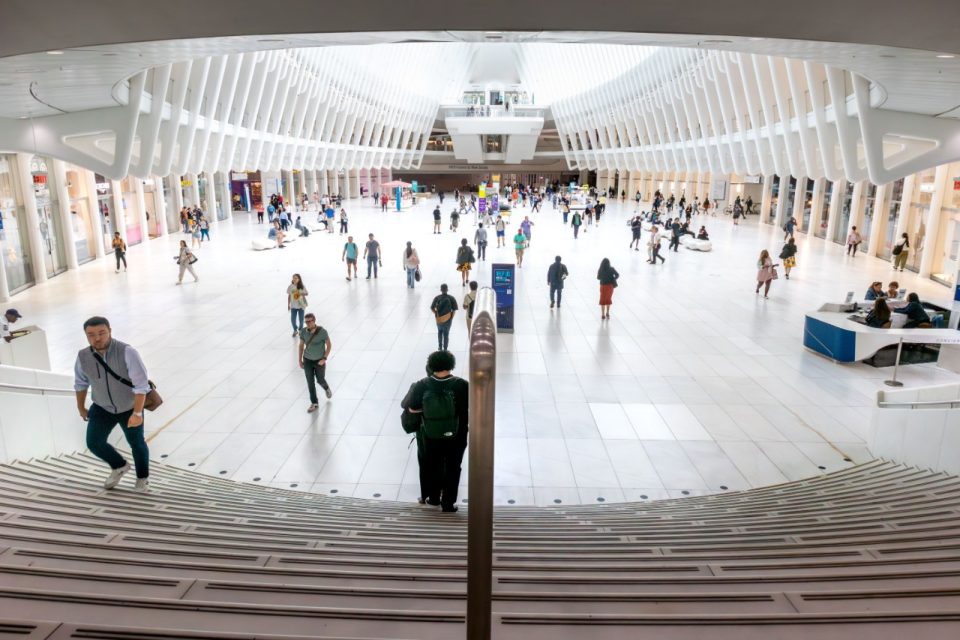
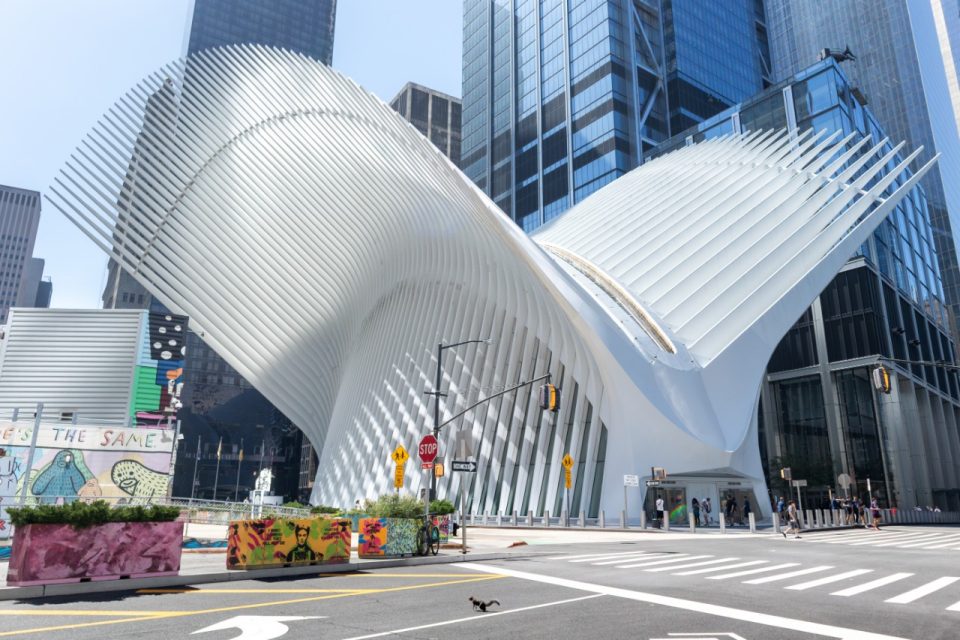
Now in 2026 it’s completely changed. It’s open and operational. It’s complete, people use it. I understand the design intent behind what was done but then seeing it in practice you see how people actually use it. You get to see where you can tweak it if it’s not working as intended.
Who is a woman who inspires you?
Our Executive Director is inspirational. I haven’t known her for long, but I’ve known of her through her career and saw her speak once at a Women’s History Month breakfast. It was really inspiring to hear a woman who is so involved in the operational side of running the region. She’s a huge inspiration, a great leader, really smart, and knows her stuff. It’s incredible that she’s been able to be such a great leader in the region for so long.
What is the best piece of advice you have ever received?
One of my favorite lessons as a woman was when I got this role as Director of the World Trade Center Department. I’m the first woman to be the Director of this department in its history. One of the first things I did when I got this role was call all the other line department directors to get some advice and understand what they’ve learned in their roles.
One of my other female inspirations is Clarelle DeGraffe. She runs the PATH department, and we have been connected through our careers for some time before she was in that position and before I was in mine, so I called her and asked for some advice. One of the first things she told me was that as a woman, you’re going to do things differently. You are where you are because you earned it, and it’s not going to look the same for you as it did for everybody else who’s done this job, and that’s okay because you got here for a reason. She said to keep doing things the way you would, not the way somebody else would, and have confidence in that. It’s just as effective even if it looks different than how someone else would do it. That’s one of my most important pieces of advice that I carry with me.
What is your proudest accomplishment at the World Trade Center?
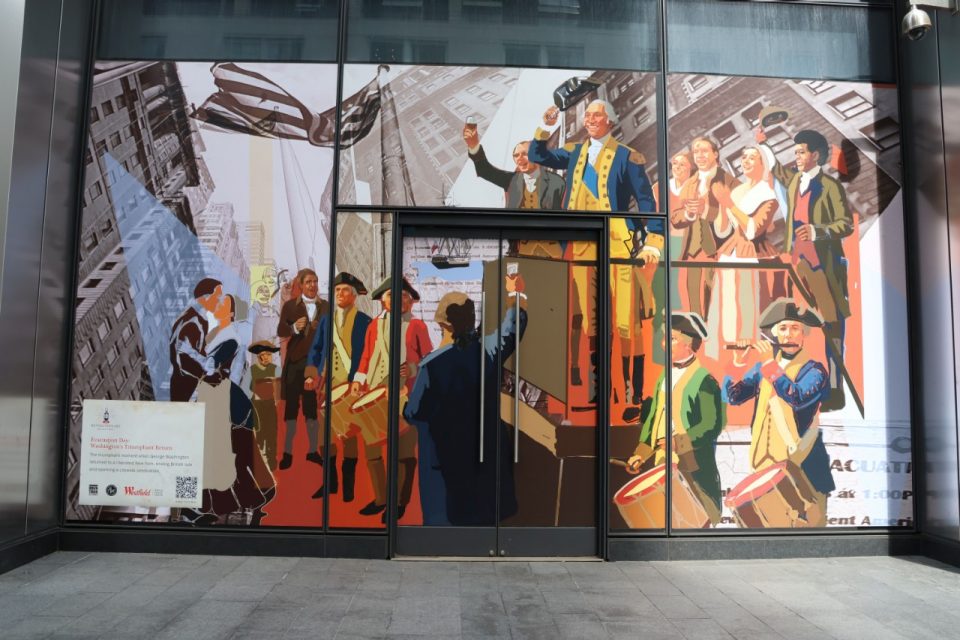
I wouldn’t think of any of them as just my accomplishment since we do things as a team here. The way we’ve been able to shift the focus of the World Trade Center as a customer-centric place, so everything we do here is to try to attract people to want to be here, stay here, hang out here. Some of the things, like the public art that we’ve put in place, have been surprisingly attractive to draw people in. When I walk by the public art and see lines of tourists with their cameras waiting to take a picture with the art, it makes me feel proud of the team and what we’ve been able to do here.
It went from a place that was a construction site when I was first working on it to now, where it’s not only an active, vibrant place, but a place where people want to be, plan to come here, and hang out here.
What kind of legacy do you hope to set for the future of the World Trade Center?
The major legacy is the focus on people to make sure it’s always a place that’s about serving, connecting the region, serving the neighborhood, serving the people who use the World Trade Center, like the workers, shoppers, and tourists. We make sure that as we’re planning for our future, we’re thinking about what our users want, and continuing to make sure this place is always serving them.
What is your favorite event/event series at the World Trade Center?
My favorite classic is Smorgasburg. It’s great because you go outside and hang out and hear all the people around you. Sometimes there’s live music, and it’s a vibrant atmosphere with all the different local vendors.
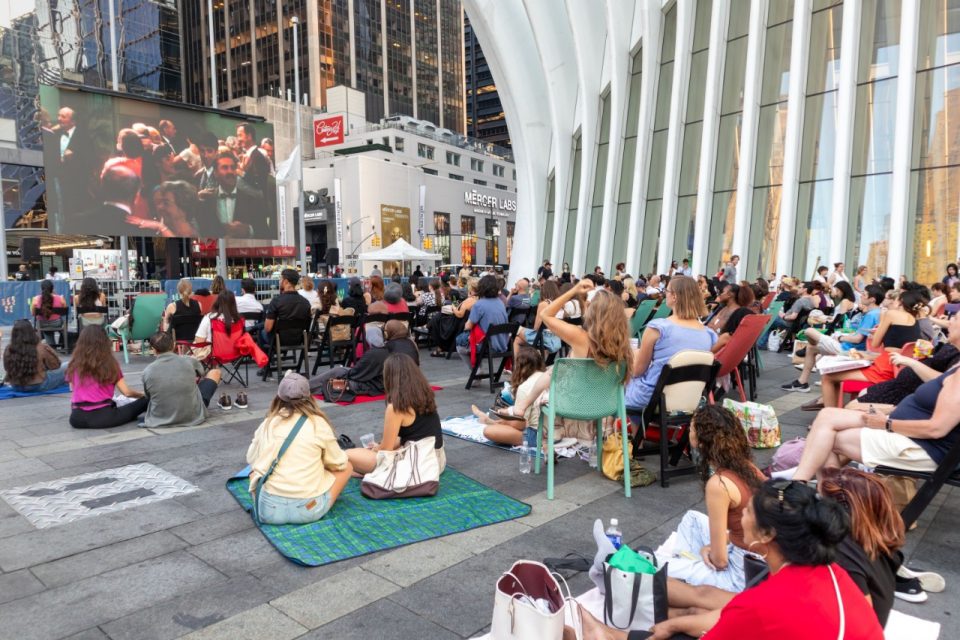
I also love the movies and viewing parties to see the community. It’s fun because you get to see the families in the neighborhood and they often come up to us afterwards or during the event to say that we should do more of these.
Your favorite part of working at WTC?
I love being in this role at this time at the agency. It’s a cool time to be a leader at the Port Authority and be a leader at the World Trade Center, which is so unique from other Port Authority facilities. It’s an incredible moment in the agency where everyone is aligned and focused on serving the customer in the right way and connecting the region. There are incredible leaders who are coming to the forefront, and it’s so fun working alongside them and contributing in my own way.
What inspires/motivates you to do your job?
I love my job. It sounds cliché, but I love the people I work with and getting to lead this team of incredible professionals who are so diverse and do so many types of things. I learn from them every day. I love being the one that helps to see the vision of their expertise coming together. I’m also motivated by the people we serve. I love walking through the World Trade Center and seeing people enjoy the space or use it how it’s meant to be used and use one of our signs and say, “oh, that’s how I get over there.”
Fun fact about WTC?
We built the World Trade Center quicker than the original World Trade Center. I think people think that it took a lot longer to rebuild. Even though it was a really thoughtful effort where we focused first on recovery and then reimagining and reaching out to the local and global communities, and re-envisioning what this place would be, and then rebuilding, these efforts actually happened so quickly. The original WTC was started in the 1960s and the last component, which was 7 World Trade Center wasn’t completed until 1987, so it took over 20 years. So, when you think about how it’s 2026, and we’ve done all that effort, and it’s essentially complete and open, it’s impressive.
Watch our Instagram Reel featuring Jolene and hear more about her experiences. Follow us on Instagram for the latest happenings.